

Few fashion houses have shaped global style as profoundly as Armani. Synonymous with understated luxury, refined tailoring, and effortless sophistication, Armani has become more than a brand—it is a philosophy of dressing. From red carpet moments to everyday elegance, Armani represents a balance between tradition and innovation, offering a timeless approach to modern fashion. Rooted in Italian craftsmanship yet global in influence, the brand continues to redefine what luxury means in a changing world.
This blog explores the legacy, design philosophy, and lasting impact of Armani in the fashion industry.
The Birth of Armani and Its Visionary Founder
Armani was founded in 1975 by Giorgio Armani, a designer who believed that true elegance lies in simplicity. At a time when fashion was dominated by rigid silhouettes and bold excess, Armani introduced a softer, more relaxed approach to tailoring. His designs emphasized comfort without sacrificing sophistication, challenging traditional norms in menswear and later redefining women’s fashion as well.
Giorgio Armani’s vision was clear from the start: clothing should enhance the wearer, not overpower them. This philosophy became the foundation of the brand and continues to guide its evolution decades later.

Armani’s Design Philosophy: Minimalism with Meaning
One of the defining characteristics of Armani is its commitment to clean lines, neutral tones, and refined details. Rather than relying on flashy logos or trends, Armani focuses on craftsmanship, fabric quality, and impeccable fit.
This minimalist approach allows Armani pieces to remain relevant season after season. The brand’s designs often feature subtle elegance—tailored jackets, fluid silhouettes, and balanced proportions that flatter a wide range of body types. By prioritizing timeless design over short-lived trends, Armani has created collections that age gracefully and maintain their appeal over time.
The Armani Brand Universe and Its Iconic Lines
Armani is not a single label but a carefully curated universe of fashion lines, each catering to a different audience while maintaining the brand’s core identity. These include Giorgio Armani, Emporio Armani, Armani Exchange, and other specialized collections.
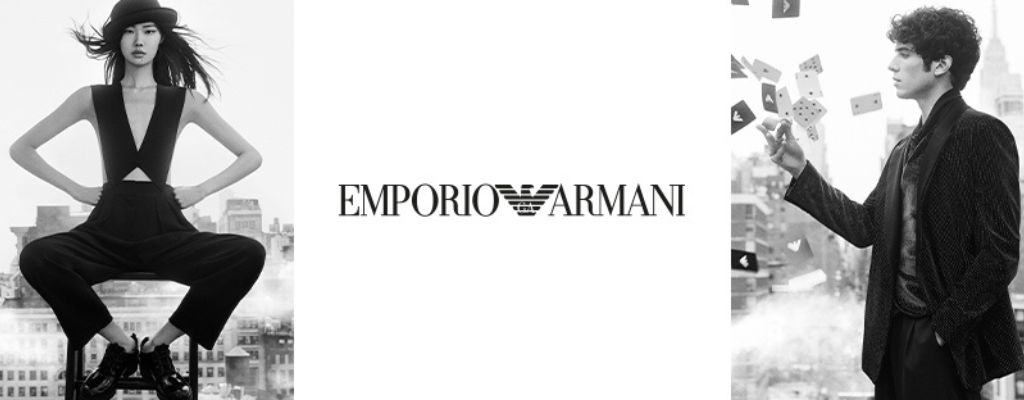
Giorgio Armani represents the pinnacle of luxury, offering high-end couture, tailored suits, and refined eveningwear. Emporio Armani targets a younger, fashion-forward audience with modern designs and urban influences. Armani Exchange brings the brand’s aesthetic to a more accessible level, blending casual style with contemporary trends.
Together, these lines allow Armani to remain inclusive while preserving its luxury heritage.
Armani in Menswear: Redefining Power and Style
Armani revolutionized menswear by redefining the power suit. By removing heavy padding and stiff structures, the brand introduced a softer silhouette that conveyed confidence through ease rather than rigidity. This approach resonated with professionals, creatives, and cultural icons alike.
Today, Armani menswear continues to embody sophistication and versatility. From impeccably tailored suits to relaxed casualwear, the brand offers clothing that transitions seamlessly from formal to informal settings. Armani’s influence on menswear remains visible across the industry, shaping how modern men dress for success and self-expression.
Armani’s Impact on Women’s Fashion and Empowerment
Armani’s influence extends deeply into women’s fashion, where the brand has played a key role in redefining femininity and power dressing. By adapting tailored silhouettes for women, Armani offered an alternative to overly decorative or restrictive styles.
The brand’s women’s collections emphasize strength, elegance, and individuality. Flowing fabrics, neutral palettes, and sharp tailoring allow women to express confidence without compromising comfort. Armani’s approach to women’s fashion has contributed to a broader cultural shift toward clothing that supports independence and self-assurance.
Armani as a Global Symbol of Luxury and Lifestyle
Beyond fashion, Armani has evolved into a complete luxury lifestyle brand. From fragrances and beauty products to home décor and hospitality, the Armani name represents a consistent standard of refinement and quality.
The brand’s presence in film, art, and global events has further cemented its cultural significance. Armani designs are frequently seen on red carpets, worn by actors, musicians, and world leaders. This visibility reinforces Armani’s status as a symbol of taste, success, and timeless appeal.
By expanding thoughtfully across industries, Armani has preserved its identity while reaching new audiences worldwide.
Conclusion: Armani’s Enduring Legacy in a Changing World
Armani’s success lies in its ability to remain true to its values while adapting to the modern world. In an industry driven by fast trends and constant change, Armani stands as a reminder that elegance never goes out of style.
Through its dedication to craftsmanship, minimalist design, and quiet luxury, Armani continues to influence how people dress and perceive fashion. Whether through a perfectly tailored suit or a refined everyday piece, Armani offers more than clothing—it offers confidence, balance, and timeless sophistication.
As fashion continues to evolve, Armani’s legacy remains firmly rooted in the belief that simplicity, when done right, is the ultimate form of luxury.
