

Creating music is no longer limited to professional studios or experienced musicians. Today, beginners can learn an instrument at home, hobbyists can record original songs, content creators can produce better audio, and experienced performers can build sophisticated setups for rehearsals and live shows. The right equipment can make this process easier, more enjoyable, and more inspiring.
Choosing music equipment, however, can quickly become overwhelming. There are guitars, keyboards, drums, microphones, audio interfaces, headphones, studio monitors, amplifiers, accessories, and countless other products to consider. The best setup depends on what you want to create, how much space you have, your experience level, and how you plan to use your equipment.
Gear4music offers a broad selection covering instruments, recording equipment, studio gear, live sound products, accessories, and more. Its range includes options for beginners as well as musicians, producers, schools, studios, performers, and professionals. The important thing is not to buy everything at once, but to build a setup that matches your creative goals.
1. Start With Your Main Musical Goal
Before choosing any equipment, think about what you actually want to do with it. Your goal should be the starting point for your entire setup.
Someone who wants to learn guitar will have very different requirements from someone who wants to produce electronic music. A singer-songwriter may need a microphone, audio interface, headphones, and acoustic or electric guitar, while a DJ may prioritise controllers, headphones, speakers, and mixing equipment.
If your main goal is learning an instrument, concentrate on one good-quality beginner-friendly option rather than purchasing several instruments that you may not use regularly. Guitar players can explore acoustic or electric guitars, while keyboard players may prefer a digital piano or keyboard depending on their musical interests.
For recording, your priorities will change. An audio interface allows instruments and microphones to connect to a computer, while studio headphones or monitors help you hear recordings more accurately. Gear4music covers categories ranging from guitars, drums, pianos, and orchestral instruments to studio and production equipment, making it possible to build a setup around different creative goals.
Having a clear purpose also prevents unnecessary spending. Once you understand what you want to achieve, every new piece of equipment can be judged by whether it genuinely helps you move closer to that goal.
2. Choose an Instrument That Matches Your Lifestyle
The best instrument is often the one you will actually enjoy practising. Your available space, schedule, budget, and preferred style of music should all influence your decision.
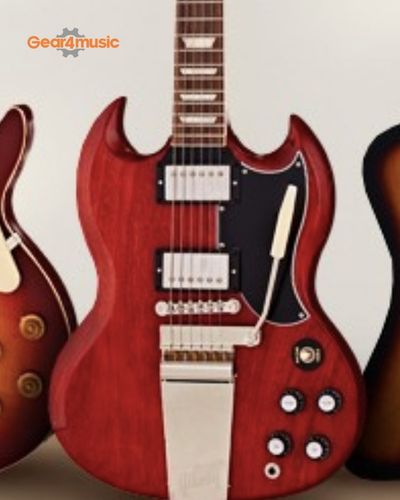
Guitars remain popular because they are relatively versatile and can fit into many different musical styles. Acoustic guitars can be convenient for home practice, while electric guitars offer access to amplifiers, pedals, and a wider range of sounds. Beginners can also consider starter packs that include useful accessories, helping them avoid the difficulty of buying every essential item separately.
Keyboards and digital pianos can be excellent choices for people who want to explore classical music, songwriting, pop, electronic production, or music theory. Digital instruments can also be practical for home environments where space or volume may be a concern.
Drums offer a completely different experience. Acoustic kits can be ideal for dedicated spaces, while electronic drums may be more suitable for home practice where volume control is important. Smaller percussion products can also provide an accessible way to experiment with rhythm.
Gear4music offers guitars, bass guitars, drums, digital pianos, keyboards, synthesizers, violins, wind instruments, and other options. This variety means beginners can explore different musical paths while experienced players can upgrade their existing equipment.
The most important consideration is comfort. If an instrument feels suitable for your hands, space, playing style, and routine, you are much more likely to keep practising.
3. Build Your Setup Around the Essentials
Once you have chosen your main instrument, resist the temptation to buy every accessory immediately. Start with the essentials and expand your setup gradually.
For example, an electric guitar setup may require an amplifier, cable, tuner, strap, picks, and perhaps a few pedals. A keyboard player might need a stand, sustain pedal, headphones, and seating. A drummer may need sticks, a suitable stool, and additional hardware depending on the kit.
Recording setups follow a similar principle. A basic home studio can begin with a computer, audio interface, microphone, headphones, and appropriate cables. From there, you can add studio monitors, MIDI controllers, microphones designed for different applications, acoustic treatment, and other production tools.
Gear4music’s studio selection includes audio interfaces, microphones, monitors, mixers, MIDI controllers, synthesizers, headphones, software, and other recording accessories. This makes it easier to upgrade a simple recording corner over time instead of trying to create a complete professional studio from day one.
Accessories may seem less exciting than the main instrument, but they can have a major effect on your experience. A stable stand, comfortable headphones, reliable cables, and proper storage can make practising and recording much easier.
Think of your setup as a system rather than a collection of individual products. Every item should have a purpose and work well with the rest of your equipment.
4. Create a Comfortable Home Music Space
You do not need a huge room to create a useful music area. Even a small corner can become a productive creative space if it is organised properly.
Start by considering where your main instrument will be stored. If you play every day, keeping it easily accessible can encourage regular practice. At the same time, instruments should be protected from unnecessary knocks, moisture, extreme temperatures, and clutter.
For recording, desk organisation becomes especially important. Your computer, interface, microphone, headphones, and monitors should be positioned so that you can work comfortably. Long recording sessions can become tiring if your chair, desk, or monitor position is unsuitable.
Cable management is another simple improvement. Use appropriate cable ties or organisers and keep frequently used connections easy to access. A tidy setup not only looks better but also makes troubleshooting easier.
Acoustics can also affect recording and listening. Hard surfaces may create unwanted reflections, while carefully positioned acoustic treatment can help create a more controlled environment. You do not necessarily need an expensive professional studio to improve your sound; thoughtful positioning and basic room management can make a noticeable difference.
A well-organised space also makes creativity feel more inviting. When everything has its place, you can sit down and start playing instead of spending the first few minutes searching for cables, picks, headphones, or other accessories.
5. Upgrade Your Equipment as Your Skills Grow
Your first setup does not need to be your final setup. In fact, gradual upgrades can be a smarter way to develop as a musician.
When you are a beginner, it is difficult to know which features will actually matter to you. After months of practice, your preferences become clearer. You may discover that you need a better microphone, more responsive keyboard, additional pedals, improved headphones, or a more powerful amplifier.
This is where experience becomes valuable. Instead of upgrading because something looks impressive, identify the specific limitation in your current setup.
For example, if your recordings sound unclear, the solution may involve improving microphone placement, room acoustics, or monitoring before buying an expensive new interface. If your guitar technique has improved significantly, you may benefit from a more advanced instrument. If you are performing regularly, portable PA equipment or additional live accessories could become more important.
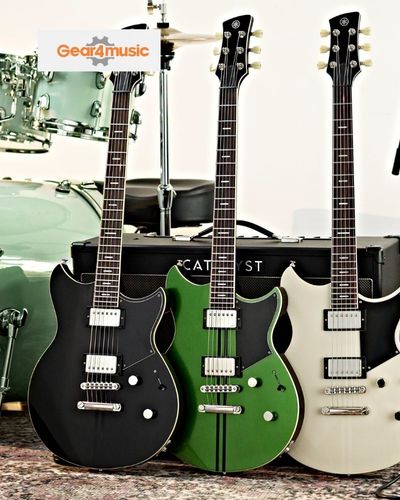
Gear4music carries equipment across different experience levels, including affordable starter products and more advanced options from well-known music brands. Its own range also covers practical instruments, audio equipment, and accessories designed around accessibility and value.
The goal should be meaningful improvement. Each upgrade should solve a problem, introduce a useful capability, or make your creative process more enjoyable.
6. Make Your Music Setup Work for You
A great music setup is not necessarily the most expensive one. It is the setup that supports your goals, fits your environment, and encourages you to keep creating.
If you are learning guitar, start with an instrument that feels comfortable and the accessories you genuinely need. If you are learning piano, choose a keyboard or digital piano that supports regular practice. If you are interested in production, begin with a reliable recording foundation and add equipment as your skills develop.
It is also worth thinking about the future. You may start by recording simple vocals and eventually become interested in podcasting, beat-making, live streaming, or music production. Choosing versatile equipment can give you room to explore without replacing everything immediately.
Gear4music serves a wide range of musicians and creators, from beginners and hobbyists to studios, venues, schools, producers, and professional performers. Its product selection spans instruments, studio equipment, live and PA systems, accessories, and other music technology.
Most importantly, remember that equipment is there to support creativity. A new guitar will not replace practice, and an advanced recording setup will not automatically create a great song. The best investment is the combination of suitable equipment, consistent practice, curiosity, and a willingness to experiment.
Whether you are picking up an instrument for the first time, setting up a home studio, preparing for performances, or expanding an existing collection, building your equipment gradually can make the journey more enjoyable. Start with what you need today, choose products that match your goals, and allow your setup to grow alongside your musical skills.
