
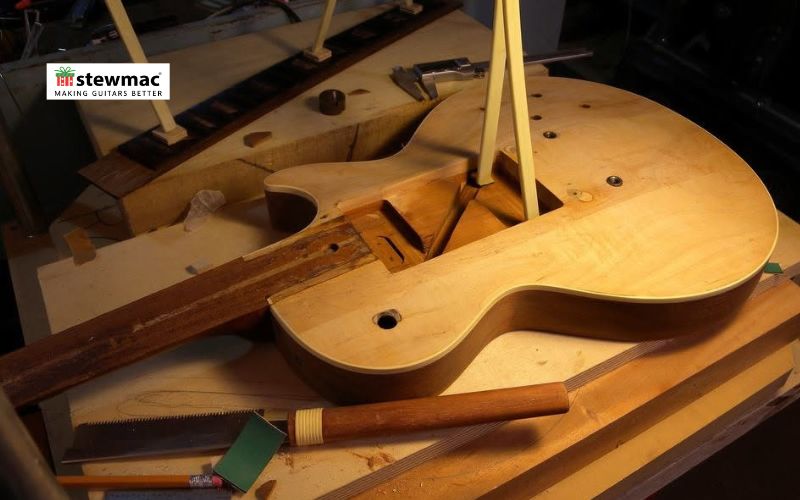
Give Old Guitars a Fresh Beginning
An older guitar often has more character than its appearance suggests. Scratches, faded finishes, worn hardware and years of regular playing can make an instrument look tired, but careful restoration can bring back its visual appeal and preserve its personality. Refinishing is especially rewarding for musicians who enjoy understanding how their instruments are made and want to give them a more individual appearance. It requires patience, preparation and the right materials, because even small mistakes can affect the final result. With StewMac, guitar enthusiasts can explore specialist supplies, workshop tools and finishing accessories for different restoration and customisation projects.
Before beginning, examine the guitar carefully and decide what actually needs attention. A few surface marks may be part of the instrument’s character, while loose hardware or damaged areas may require practical repairs. Photograph the guitar from different angles so you can record its original condition. Identify the finish type if possible, since different materials respond differently to solvents, abrasives and polishing products. If the instrument is valuable, vintage or structurally damaged, professional advice is worth seeking before making permanent changes. A thoughtful restoration should improve the instrument without unnecessarily removing the features that make it special.
Prepare the Surface Before Applying a New Finish
Surface preparation is one of the most important stages of refinishing. Dust, grease, old residue and uneven areas can affect how a new coating looks and adheres. The guitar should be inspected, cleaned with suitable products and prepared according to the requirements of the existing finish and the material being used. Any necessary disassembly should be documented, with screws and small parts stored safely. Taking time during preparation can prevent problems that would otherwise become visible only after the finishing process is complete.
Sanding requires particular care. Using an unsuitable abrasive or applying too much pressure can remove more material than intended, alter edges or damage delicate details. Work gradually and follow product instructions, paying attention to the guitar’s construction. Some instruments have thin veneers or binding that should not be treated like a solid, flat surface. StewMac offers workshop supplies and specialist tools that can support guitar preparation and finishing work. Choosing the right materials for the job is more important than simply selecting the most aggressive option.
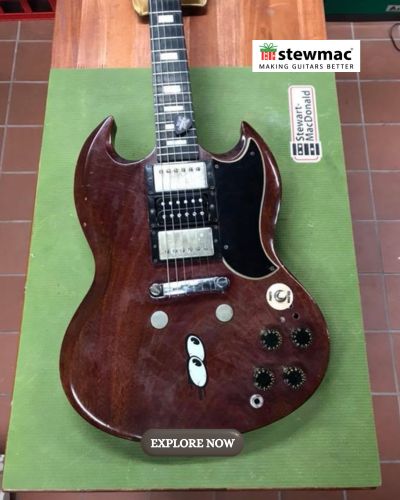
Explore Different Finishing Styles and Colours
A finish influences the overall personality of a guitar. A transparent coating can highlight the natural appearance of the wood, while a solid colour can create a bold and distinctive look. Some musicians prefer classic shades and understated finishes, whereas others enjoy experimenting with unusual colours and custom designs. The right choice depends on the instrument, the desired appearance and the experience of the person carrying out the work. It is helpful to collect reference photographs and test colour ideas on suitable sample material before applying anything to the guitar itself.
The final appearance also depends on the application process. Coats may need specific drying periods, controlled conditions and careful preparation between stages. Rushing can result in uneven coverage, visible marks or other imperfections. Follow the manufacturer’s guidance for ventilation, protective equipment, curing times and safe handling. Finishing products should never be used casually in an enclosed room without appropriate precautions. With StewMac, builders and repair enthusiasts can explore finishing-related products and accessories while researching the materials suited to their intended project.
Restore the Details That Complete the Instrument
A refinished guitar can look incomplete if the smaller details are neglected. Tuning machines, bridge components, pickup covers, control knobs and other hardware contribute to both appearance and function. During restoration, inspect these parts for corrosion, looseness, wear and compatibility. Some components may only need appropriate cleaning, while others may require replacement. Keeping the original hardware can be important when preserving the character of an older instrument, so avoid discarding parts before understanding their condition and significance.
The fingerboard, frets and neck also deserve attention. Cleaning, polishing and suitable setup work can make an instrument more comfortable to play after cosmetic restoration. However, polishing a surface does not correct every structural or playability problem. Fret wear, neck movement and bridge alignment require separate assessment. StewMac provides tools and components for a range of guitar repair and maintenance tasks, helping enthusiasts research suitable options for different instruments. Always check measurements and specifications before ordering replacement parts, as visually similar components may not fit every model.
Find Workshop Supplies Through Current Offers
Restoration projects can involve several purchases, from abrasives and finishing supplies to measuring tools, replacement hardware and polishing accessories. Planning the shopping list before starting helps control costs and reduces the risk of stopping halfway through a project because an essential item is missing. It is also useful to separate necessary purchases from optional upgrades. A good-quality tool that will be used repeatedly may be a better investment than a collection of discounted items that do not suit the work.
The official StewMac website is currently promoting Black Friday offers on selected tools, guitar parts and workshop products. Its sale selection includes discounts on eligible screwdriver and wrench sets, neck rests, bench pads, scraper tools and various setup supplies. The closeout section also features selected products at reduced prices, with discount levels varying between items. Certain tonewood and guitar-building materials may have separate promotional offers. These deals are product-specific, so not every item in the catalogue is necessarily included. Checking the latest product listing, availability and checkout conditions is the best way to confirm the final price before placing an order.
A useful approach is to compare the sale selection with the requirements of your project. If you are restoring a guitar, prioritise the supplies needed for preparation, repair and finishing rather than buying unrelated accessories simply because they are discounted. Check product descriptions, compatibility information and instructions carefully. International buyers should also consider shipping charges, delivery estimates and any applicable import costs when calculating the overall expense. Offers and stock can change, so reviewing the website before purchasing helps you make a more informed decision.
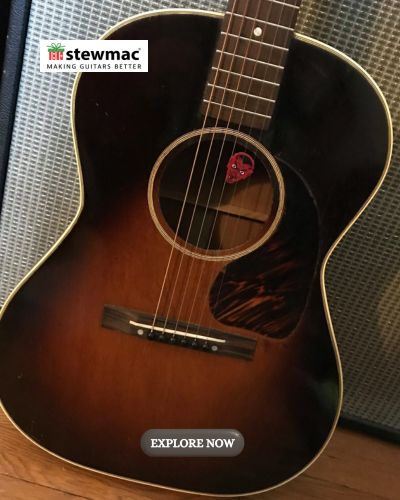
Make Every Restoration Project a Learning Experience
Guitar restoration is a process that combines practical skills with creativity. Each instrument presents different challenges, and the experience gained from one project can make the next more manageable. Keeping notes about the products used, preparation methods and finishing stages creates a helpful record for future work. Photographs taken throughout the process can also show how the instrument changed and make it easier to identify areas that need improvement.
There is no need to begin with a complicated restoration. Practising on spare wood or an inexpensive instrument can help you understand surface preparation and finishing techniques before working on something valuable. Learn about the materials you use, follow safety guidance and seek professional help whenever the work exceeds your experience. For musicians and hobbyists who enjoy giving instruments a new identity, the right knowledge and equipment can turn restoration into a satisfying long-term interest. Explore StewMac to discover guitar-building supplies, repair tools, finishing accessories and current offers for your next creative project.