
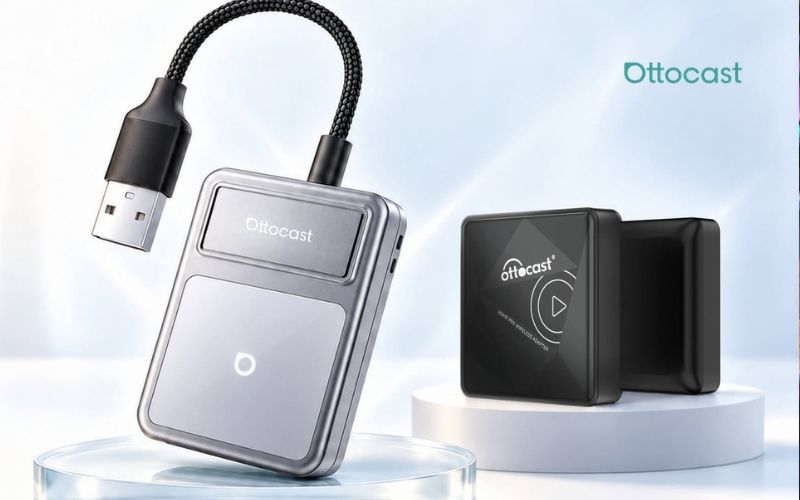
Modern driving is no longer simply about reaching a destination. Drivers increasingly expect their vehicles to provide convenient access to navigation, entertainment, communication, and familiar smartphone applications. As automotive technology continues evolving, connected car features have become important elements of everyday travel. However, many vehicles still depend on wired smartphone connections, which can create inconvenience when entering and leaving the car frequently. Ottocast focuses on improving in-car connectivity through wireless adapters and multimedia solutions designed to make compatible vehicle infotainment systems more convenient to use. By reducing dependence on cables and introducing additional entertainment possibilities through selected devices, these technologies can help drivers enjoy a more organized digital experience. Whether commuting to work, traveling with family, or planning a long road trip, choosing suitable connectivity accessories can make familiar smartphone features easier to access. Understanding compatibility, installation requirements, and practical benefits is essential before upgrading an existing vehicle entertainment system.
Why Wireless Connectivity Is Changing Everyday Driving
Smartphones have become essential travel companions, providing navigation directions, communication tools, music libraries, and access to useful information. Many drivers rely on Apple CarPlay or Android Auto to use supported smartphone features through their vehicle’s infotainment display. Although wired connections can work effectively, repeatedly connecting and disconnecting cables may become inconvenient during everyday journeys. Ottocast offers wireless adapter solutions designed to convert supported wired smartphone integration systems into wireless experiences. With a compatible vehicle and smartphone, users may be able to connect automatically after the initial setup, depending on the device and configuration. This can be especially useful for drivers who make several short trips throughout the day. Wireless connectivity also helps reduce visible cable clutter around the dashboard, creating a cleaner interior environment. However, performance depends on factors such as vehicle compatibility, wireless conditions, smartphone software, and adapter specifications. Drivers should remember that wireless adapters do not automatically add smartphone integration to vehicles that lack the required underlying support. Checking these requirements before purchasing helps ensure the selected solution matches the vehicle’s existing capabilities and provides the convenience expected from the upgrade.
Understanding Wireless Apple CarPlay and Android Auto Adapters
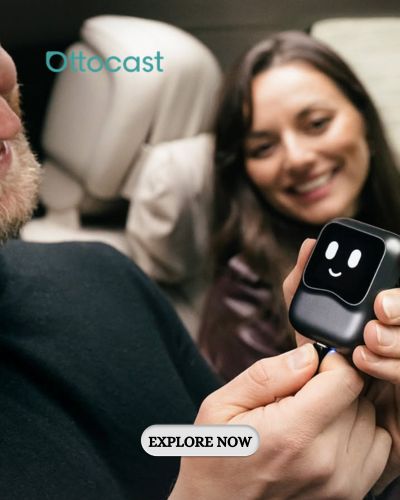
Apple CarPlay and Android Auto allow compatible smartphones to connect with supported vehicle displays, providing access to selected applications through an interface designed for automotive use. These systems can simplify navigation, audio playback, and certain communication functions while helping drivers avoid unnecessary phone handling. Ottocast develops adapter products intended to bring wireless functionality to compatible factory-installed wired systems. The setup process generally involves connecting the adapter to the vehicle’s appropriate USB port and pairing the smartphone according to the product instructions. Once configured, supported devices may reconnect automatically when the vehicle starts, although connection behavior can vary. Before selecting an adapter, customers should verify whether their vehicle supports wired Apple CarPlay, wired Android Auto, or both, because individual adapters may have different requirements. Smartphone operating systems, vehicle model years, and infotainment software can also affect compatibility. It is equally important to distinguish between standard wireless adapters and multimedia AI boxes, which serve different purposes. Understanding these differences helps buyers avoid purchasing unnecessary features or selecting equipment that cannot work with their vehicle. A carefully chosen adapter can provide a practical improvement without replacing the entire infotainment system.
Exploring Multimedia Entertainment Beyond Basic Smartphone Integration
In-car entertainment technology has expanded beyond traditional radio stations and locally stored music. Passengers increasingly appreciate access to digital media, particularly during long journeys or when a vehicle is safely parked. Some automotive multimedia devices provide additional application environments that differ from the standard interfaces available through smartphone projection. Ottocast offers selected AI box products designed to introduce broader multimedia functionality on compatible vehicle displays. Depending on the model, these devices may support applications, wireless connectivity, and additional entertainment features through an Android-based environment. However, capabilities vary considerably between products, and access to particular streaming services may depend on software support, internet availability, account subscriptions, and regional restrictions. Buyers should therefore review individual specifications rather than assuming that every device supports the same applications. Entertainment features must also be used responsibly. Watching videos or interacting with distracting applications while driving can create serious safety risks and may violate local traffic regulations. Video playback should be reserved for appropriate stationary use or passenger-oriented systems where legally permitted. When selected carefully and used safely, multimedia accessories can provide additional flexibility for family travel and other situations where passengers benefit from expanded entertainment options.
Making Long Road Trips More Comfortable and Organized
Long-distance driving often involves several responsibilities, including navigation, communication, route planning, and managing entertainment for passengers. A well-organized vehicle interior can help reduce unnecessary interruptions and make journeys feel more comfortable. Ottocast provides connectivity accessories that may simplify access to supported smartphone features through compatible infotainment systems. Wireless navigation integration can be particularly convenient when drivers frequently stop for fuel, food, or rest breaks and want to avoid reconnecting their phones manually. Music and audio applications can also make extended journeys more enjoyable when operated through appropriate vehicle controls. Families traveling together may appreciate additional multimedia options during stationary breaks, provided the equipment supports their intended applications. Before beginning a long trip, drivers should confirm that the adapter connects reliably, the phone has sufficient battery power, and any required mobile data connection is available. Keeping an appropriate charging solution in the vehicle remains useful because wireless smartphone integration can consume battery power. It is also wise to download essential maps where supported and prepare playlists before departure. These simple habits help create a smoother travel experience while keeping attention focused on safe driving rather than unnecessary interaction with electronic devices.
Choosing the Right Device for Your Vehicle and Lifestyle
Selecting an automotive connectivity accessory requires more consideration than simply comparing appearance or advertised features. Vehicle manufacturers use different infotainment systems, and compatibility can vary across model years and equipment configurations. Ottocast provides different product categories, including wireless smartphone adapters and multimedia AI boxes, making it important to understand the intended purpose of each device. Drivers who only want to eliminate a USB cable may find a straightforward wireless adapter more suitable than a feature-rich multimedia system. Conversely, users seeking additional applications may need to examine the specifications of compatible AI box models. Before making a purchase, customers should review the official compatibility information, supported smartphone operating systems, connection methods, and power requirements. Firmware updates and customer support availability are also useful considerations because software changes can affect device performance over time. Product reviews may offer insight into real-world experiences, although individual results can differ depending on the vehicle. Buyers should also check warranty conditions, return policies, and any applicable shipping restrictions. Taking time to evaluate these details can prevent avoidable installation difficulties and help ensure the selected accessory provides practical value for everyday use.
Building a Smarter In-Car Experience Without Replacing Your Vehicle
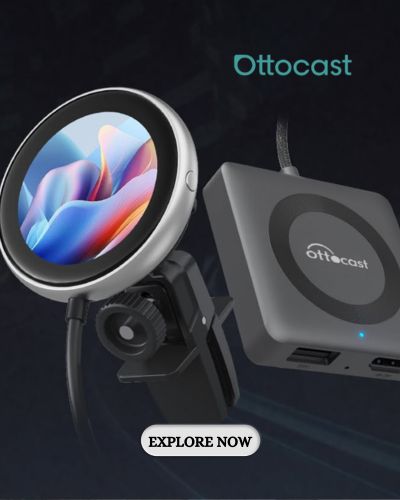
Upgrading automotive technology does not always require purchasing a new vehicle or installing an entirely different infotainment system. For drivers whose existing vehicles already support compatible smartphone integration, external connectivity accessories may provide a more accessible way to improve convenience. Ottocast represents this approach by offering devices intended to extend selected in-car digital capabilities through relatively compact hardware. However, a successful upgrade depends on realistic expectations and an understanding of the vehicle’s technical limitations. Wireless adapters cannot universally overcome missing hardware features, and multimedia boxes may require specific infotainment configurations to operate correctly. Regular software maintenance, careful installation, and responsible application use can contribute to a more dependable experience. Drivers should also avoid making configuration changes while the vehicle is moving and prioritize built-in controls or voice commands when appropriate. As connected car technology develops, compatibility and user experience will remain important factors in choosing worthwhile upgrades. The most effective automotive accessories are those that solve genuine everyday problems without introducing unnecessary complexity. By selecting suitable equipment and maintaining safe driving habits, vehicle owners can create a cleaner, more convenient, and more enjoyable digital environment for daily commutes and longer journeys.