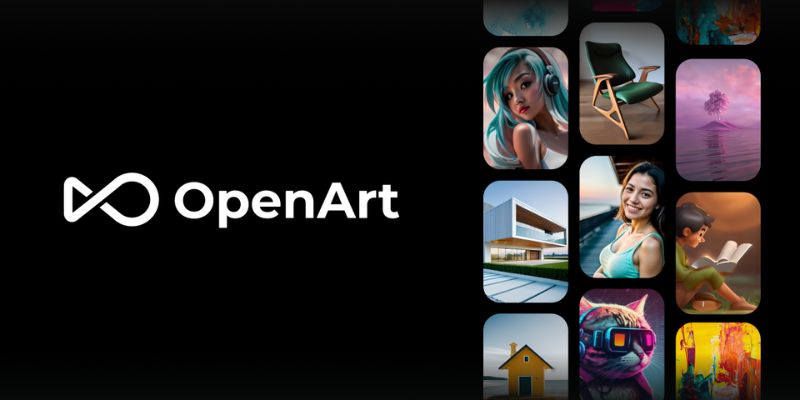
Artificial intelligence has rapidly transformed many industries, and the creative world is no exception. Artists, designers, marketers, and content creators are increasingly using AI-powered tools to explore new ways of producing visual content. One of the platforms leading this digital creative revolution is OpenArt. By combining powerful AI technology with user-friendly design tools, OpenArt allows users to generate stunning artwork, illustrations, and digital designs within seconds.
OpenArt is an AI-driven platform designed to help creators generate unique visuals using text prompts and advanced machine learning models. Whether someone is a professional artist or a beginner experimenting with digital creativity, OpenArt provides tools that make the process simple and accessible. The platform supports a wide variety of artistic styles, enabling users to create everything from realistic portraits to futuristic landscapes.
As artificial intelligence continues to evolve, tools like OpenArt are redefining how people approach art and creativity. By lowering technical barriers and offering endless creative possibilities, the platform empowers individuals to turn ideas into visually compelling content.
The Rise of AI in Digital Art
Artificial intelligence has become an important part of the modern creative process. In the past, creating digital artwork often required advanced technical skills, expensive software, and years of training. Today, AI tools allow users to generate high-quality visuals with simple instructions.
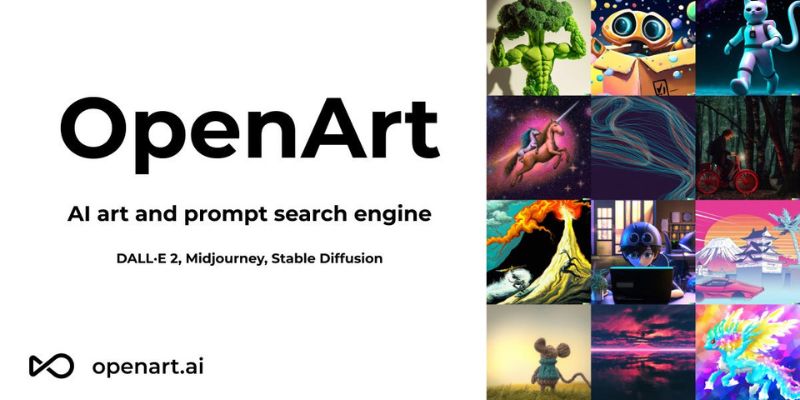
AI art generators work by analyzing large datasets of images and learning patterns, styles, and visual structures. When users enter a text prompt describing an image, the AI interprets the request and produces a unique visual representation based on the input.
This technology has opened the doors for a wider audience to participate in digital art creation. People who may not have traditional drawing or painting skills can still bring their ideas to life using AI-powered platforms.
OpenArt stands out among these tools by providing flexible AI models and creative features that allow users to experiment with different artistic styles and visual concepts.
Easy-to-Use Creative Tools
One of the main reasons OpenArt has gained popularity is its user-friendly interface. The platform is designed to make AI-generated art accessible even for people who have no previous experience with digital design tools.
Users can simply type a description of the image they want to create, choose a style or model, and allow the AI to generate the artwork. The process usually takes only a few seconds, making it a quick and efficient way to produce creative visuals.
In addition to generating images, OpenArt often includes features such as image editing, style adjustments, and customization options. These tools allow users to refine their creations and experiment with different variations of their artwork.
The combination of simplicity and powerful functionality makes OpenArt suitable for artists, marketers, designers, and content creators alike.
Supporting Different Artistic Styles
Art is deeply personal, and different creators prefer different styles and visual aesthetics. One of the most appealing aspects of OpenArt is its ability to generate artwork in a wide variety of styles.
Users can experiment with styles such as fantasy art, anime-inspired illustrations, realistic portraits, digital paintings, concept art, and abstract visuals. This versatility allows creators to explore new artistic directions without needing to learn complex techniques.
The platform’s AI models are trained to understand artistic patterns and visual composition, which helps produce visually appealing results. Creators can also refine prompts and adjust settings to achieve more precise outcomes.
For artists and designers, this flexibility can be extremely valuable when brainstorming ideas, creating concept art, or developing visual content for projects.
Empowering Designers and Content Creators
AI art platforms are not only useful for hobbyists but also for professionals in creative industries. Designers, marketing teams, game developers, and social media creators can all benefit from AI-generated visuals.
Marketing campaigns often require eye-catching graphics, advertisements, and promotional visuals. OpenArt allows creators to quickly generate images that match specific themes or branding ideas.
Game developers and storytellers can use AI-generated art to visualize characters, environments, and story elements during the early stages of development. This helps teams explore creative directions before committing to final designs.
Content creators and influencers can also use AI-generated visuals to produce unique images for blogs, videos, and social media posts. By speeding up the creative process, OpenArt allows creators to focus more on storytelling and concept development.
AI and the Changing Role of Artists
The emergence of AI-generated art has sparked discussions about the role of human artists in the digital age. Some people initially worried that AI tools might replace traditional artistic skills. However, many experts believe that AI should be viewed as a creative assistant rather than a replacement.
Artists can use AI tools to generate ideas, explore styles, and accelerate parts of the creative process. The final artistic vision, storytelling, and emotional expression still come from the human creator.
Platforms like OpenArt help artists experiment with new possibilities that might not have been achievable using traditional tools alone. By combining human imagination with machine intelligence, creators can push the boundaries of digital art.
This collaborative relationship between humans and AI is shaping a new era of creative innovation.
The Future of AI-Powered Creativity
AI technology continues to evolve rapidly, and the future of creative tools looks incredibly promising. As machine learning models become more advanced, AI-generated artwork will likely become even more detailed, realistic, and customizable.
Future AI platforms may offer enhanced tools for animation, 3D modeling, and interactive visual experiences. Creators might also gain greater control over artistic styles, color palettes, and composition elements.
Another potential development is the integration of AI art tools with other creative software used in design, film production, and virtual reality. This could lead to new forms of digital storytelling and immersive visual experiences.
OpenArt represents one step in this ongoing transformation of creative technology. By making powerful AI tools accessible to a global audience, the platform helps shape the future of digital creativity.
Conclusion
The creative world is undergoing a major transformation as artificial intelligence becomes a powerful tool for artists and designers. AI art platforms allow individuals to generate visually stunning content quickly and experiment with ideas that might otherwise be difficult to create.
OpenArt stands out as an innovative platform that combines advanced AI technology with an intuitive creative environment. By allowing users to generate, customize, and refine digital artwork through simple text prompts, the platform makes artistic expression more accessible than ever before.
As AI continues to advance, tools like OpenArt will likely become essential components of the creative process. Whether used by professional designers or hobbyists exploring their imagination, AI-powered platforms are opening new possibilities for artistic innovation and digital storytelling.
